
Nutrition
Nutrition - What Are We Really Feeding Our Horses?
Understanding Gut Health, Natural Nutrition & the Modern Equine Diet
Modern horse care has progressed in so many ways, yet one area still causes confusion, debate, and—unfortunately—many avoidable health issues: nutrition.
We all want to do the best for our horses, but with countless feeds, supplements, and marketing claims competing for our attention, it’s easy to feel overwhelmed. And when brands promise glossy coats, improved performance, calmer behaviour, or “complete” nutrition, how many of us stop to ask:
“What am I actually feeding?”
“Does this align with how my horse’s digestive system was designed to work?”
These questions matter. Because while today’s feeds have changed drastically, one thing has not:
????A domestic horse’s digestive system still functions just like that of its wild ancestors.
And when we feed in ways that don’t support that natural design, problems arise—often subtly at first, then more noticeably in behaviour, skin, immune health, gut comfort, and overall wellbeing.
This article explores why our feeding habits matter, what goes on inside the equine gut, and how returning to a more natural, forage-focused approach can transform equine health in ways many owners never expect.
The Horse’s Natural Diet: What Their Bodies Are Built For
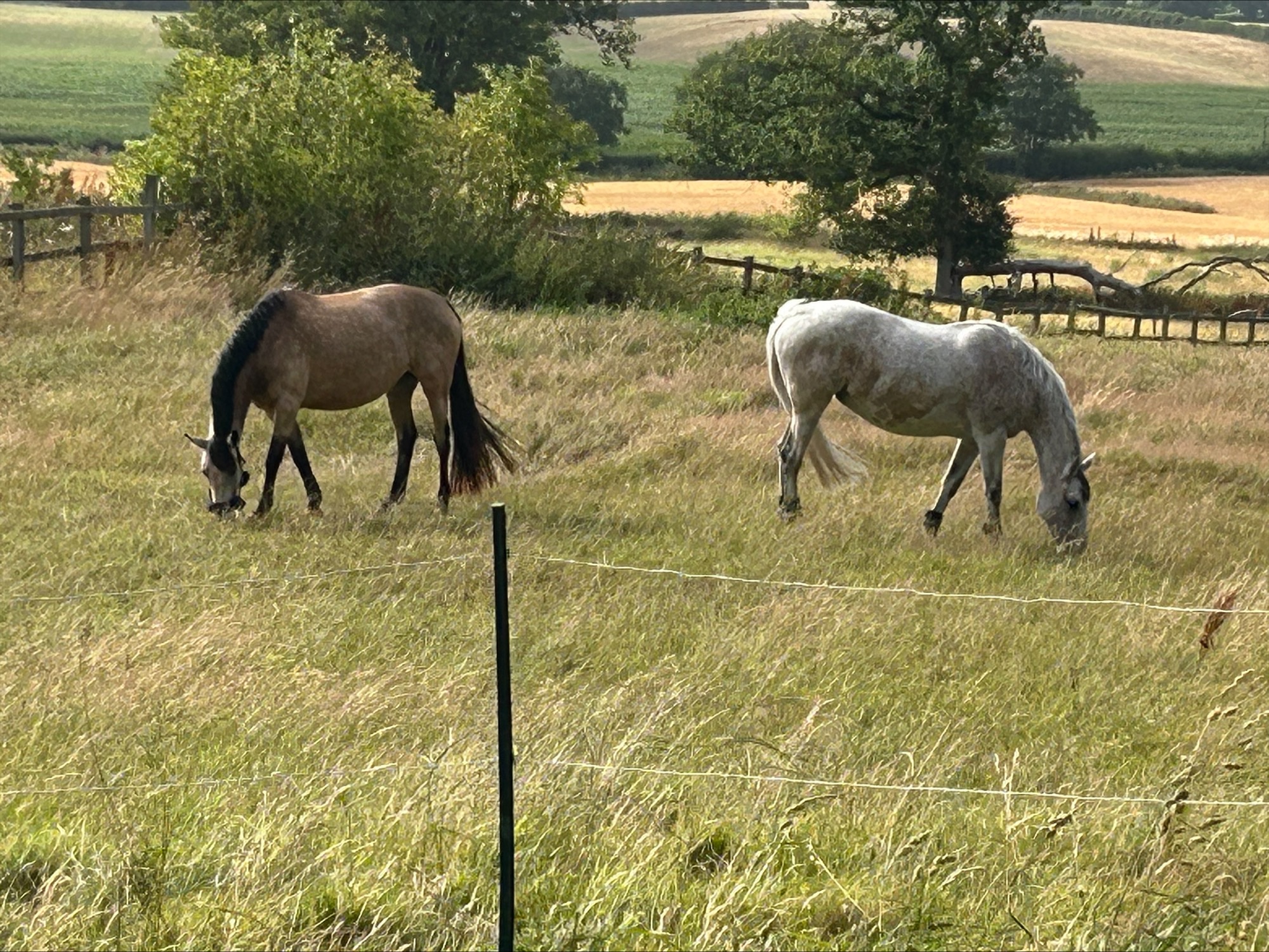
In the wild, horses spend 16–18 hours a day grazing.
Their digestive system works continuously, breaking down:
• long-stem forage
• fibrous grasses
• low-sugar plant material
• small amounts consumed often
This constant trickle-feeding supports a healthy microbiome—the vast community of microbes in the hindgut responsible for fibre digestion, vitamin production, immune support, and overall gut balance.
The natural diet is:
✔ high fibre
✔ low sugar
✔ low starch
✔ eaten in small meals around the clock
In short, it’s simple.
Domestic Feeding: Where Things Begin to Go Wrong
Modern feeding practices often look very different:
• 1–3 large bucket feeds per day
• cereal-based mixes
• molassed chaffs
• high-sugar treats
• prolonged periods without forage
• processed ingredients
• rapid feed changes
While convenient for us, these practices can overwhelm the horse’s digestive system.
A high-starch meal, for example, reaches the hindgut too quickly, upsetting the delicate microbial balance. Long periods without forage can increase stress, trigger excess stomach acid, and destabilise the gut environment.
The result?
A long list of problems many owners attribute to “behaviour” or “sensitivity,” when in fact the root cause often lies in the gut.
Marketing vs. Reality in Horse Feeds
Feed bags can be incredibly persuasive. Bright colours, promises of shinier coats, calmer rides, improved hooves, extra energy—but behind the labels, the ingredient lists often tell a different story.
Common marketing pitfalls include:
“Low sugar” feeds
…that still contain molasses or high-sugar by-products.
“Conditioning mixes”
…loaded with cereals that spike energy and irritate the gut.
“Herbal” or “natural” feeds
…with only trace amounts of the plants advertised.
“Complete nutrition” feeds
…that include unnecessary fillers your horse’s wild digestive design was not built for.
It’s not that all processed feeds are “bad”—but many are inappropriate for horses that need a balanced, fibre-based diet to thrive.
Why Gut Health Is So Important
The gut is far more than a digestive tube. In horses, it plays a role in:
• immune system strength
• skin and coat condition
• behaviour and mood
• energy levels
• toxin clearance
• nutrient absorption
• inflammatory responses
A healthy gut supports harmony throughout the body, whereas microbial imbalance (dysbiosis) can contribute to:
• itchy skin
• loose droppings or gas
• bloating
• hindgut sensitivity
• mood changes
• tension under saddle
• dull coat
• compromised immunity
• laminitis risk
Understanding the gut as the foundation of health—not just digestion—helps explain why dietary changes can make such a dramatic difference.
Common Equine Issues Linked to Diet
Many challenges owners face have nutritional roots.
For example:
Itchy skin / dermatological flare-ups
Poor gut health can affect the immune system, which in turn influences skin reactivity and sensitivity.
Loose droppings or digestive discomfort
Often caused by excess starch or sudden feed changes.
Behavioural changes
High-sugar feeds can create energy spikes, tension, or irritability.
Hoof health
Laminitis risk rises when the gut microbiome becomes imbalanced.
Seasonal transitions
Spring and autumn grass flushes can overwhelm sensitive digestive systems.
Diet is not the only factor, but it is one of the most influential—and often the most overlooked.
A More Natural Approach: Supporting the Gut First
When feeding aligns with the horse’s natural digestive design, positive changes often follow.
A gut-friendly, nature-inspired approach includes:
✔ ad-lib or frequent forage
✔ minimal starch and sugar
✔ reducing cereals
✔ choosing cereal- and molasses-free chaffs
✔ providing slow-release fibre
✔ offering supportive herbs and natural supplements
✔ avoiding sudden dietary changes
✔ ensuring turnout or movement whenever possible
Simplifying the diet often leads to:
• improved coat condition
• calmer behaviour
• better gut comfort
• stronger immunity
• more stable weight
• reduced itchiness
• improved performance and focus
Many owners are surprised by how quickly their horses respond when the diet is corrected at its foundation.
Discovering EquiNatural: A Valuable Resource
In the search for clear, honest, and practical information on equine nutrition, one website stands out: EquiNatural.
Their educational approach focuses on:
• natural feeding principles
• gut health
• forage-based solutions
• understanding ingredients
• supporting the horse’s whole system
For owners looking to deepen their understanding of what they feed—and why—EquiNatural provides accessible, science-informed explanations without overwhelming jargon.
Exclusive Offer for Itchy Horse UK Customers & Followers
EquiNatural have generously offered an exclusive 5% discount to all Itchy Horse UK followers and customers.
Use code: ITCHY5
(Simply enter it at checkout.)
This offer gives owners an easy way to explore natural, gut-friendly products that align with the feeding principles outlined in this article.
Conclusion: Rethinking How We Feed Our Horses
Feeding shouldn’t feel complicated, yet modern marketing often makes it so. When we return to simple, natural, fibre-based nutrition that supports the horse’s digestive system as nature intended, everything from skin health to behaviour to overall wellbeing can dramatically improve.
Understanding what you’re feeding—and why—empowers you to make choices that support long-term health, not just short-term results.
If you’re ready to take the next step in understanding equine nutrition, gut health, and natural feeding, EquiNatural is an excellent place to begin exploring.
And don’t forget to use your 5% discount code ITCHY5 if you decide to try any of their products.